
Shinsekai history between Tennoji and the tower
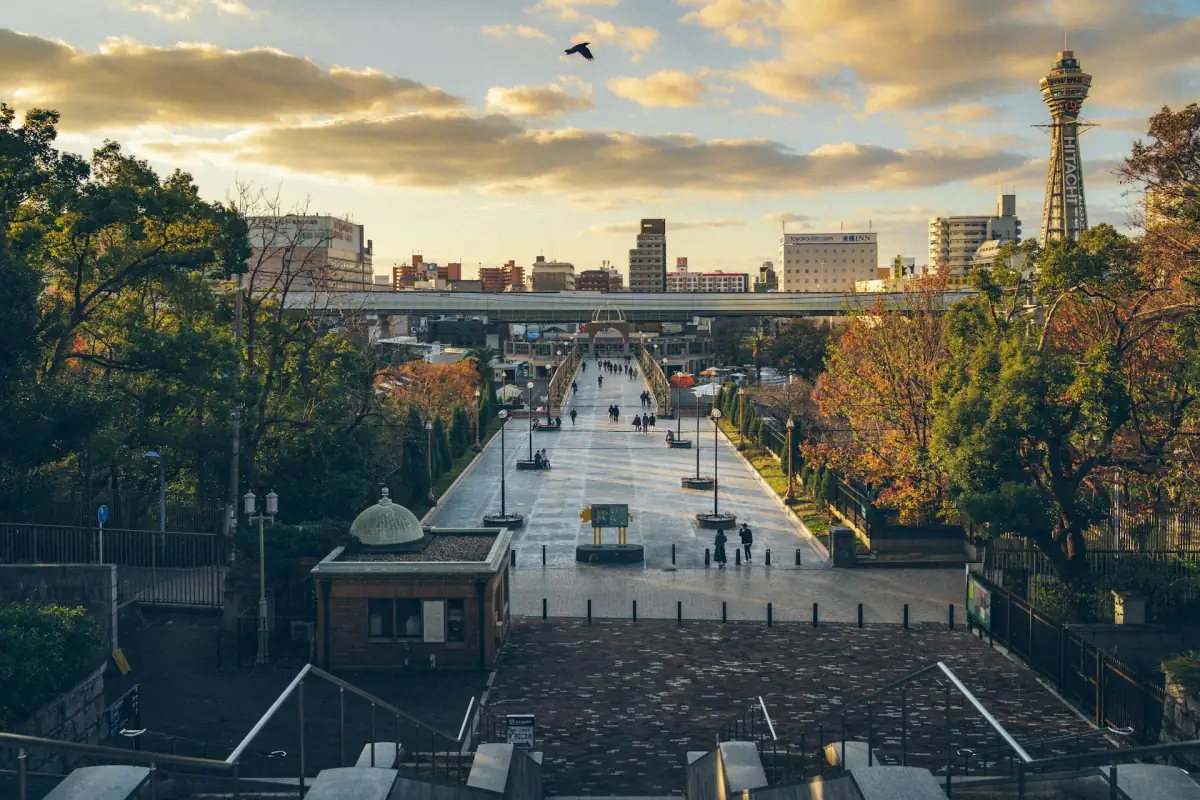
Shinsekai history connects an exhibition site, an amusement district and a tower rebuilt through local initiative. The industrial exhibition of 1903 occupied land later used for Tennoji Park, with Tsutenkaku and Luna Park developing to its west. A walk through this area makes more sense when these successive layers are kept in view rather than treated as one surviving historic complex.
Choose a cultural walk if you want a route linking temples, parkland and Shinsekai. Keep a separate part of the day for paid interiors or an observatory visit. The Tsutenkaku guide covers tower access, while the arrival guide explains the local stations and their different exits.
Walk Tennoji and Shinsekai
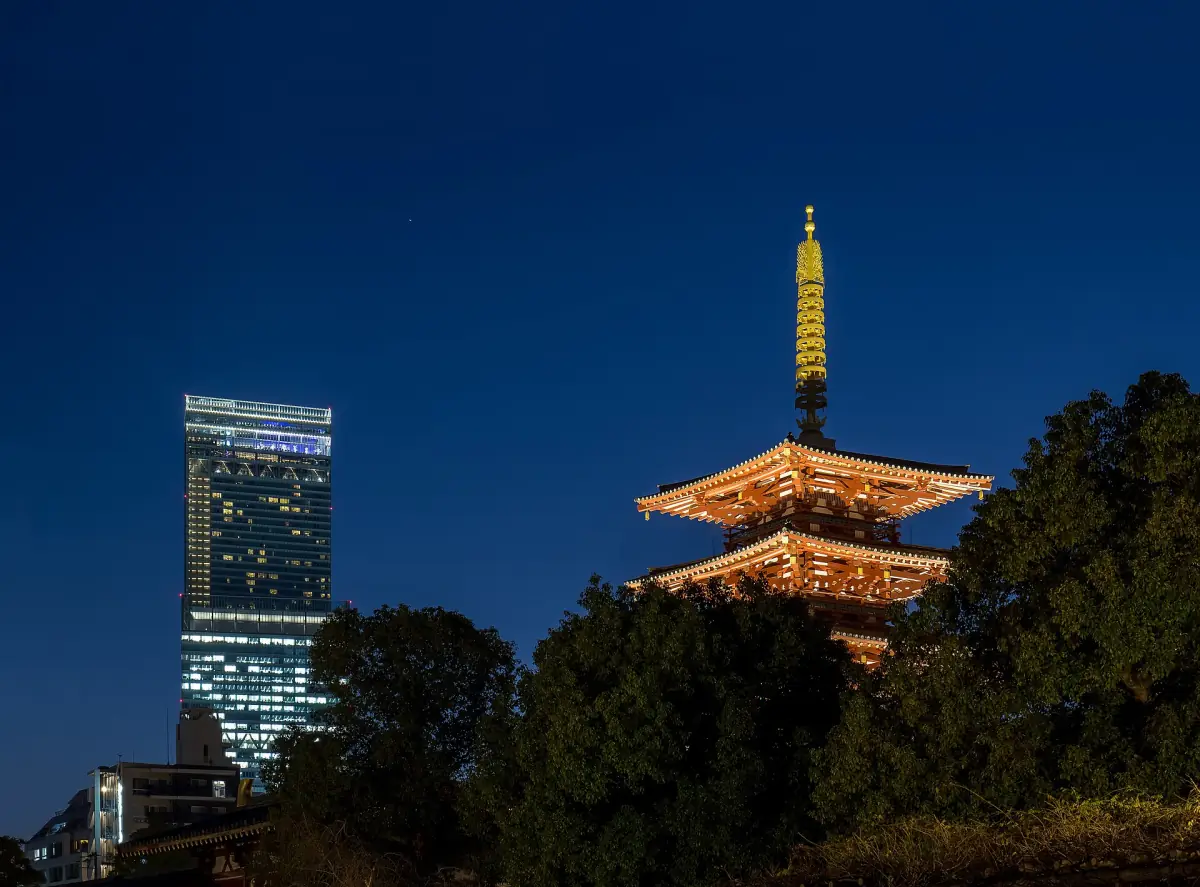
The history walk visits Shitennoji and the park. The other route continues to Abeno Harukas.
Hand-picked tours, booked through GetYourGuide. Prices are indicative starting prices in US dollars (as of October 2026). Tap a tour for live availability and the current price in your currency.
Tennoji and Shinsekai history walk
- Local guide and historical insights
- Visit to Shitennoji Temple
- Walk through Tennoji Park
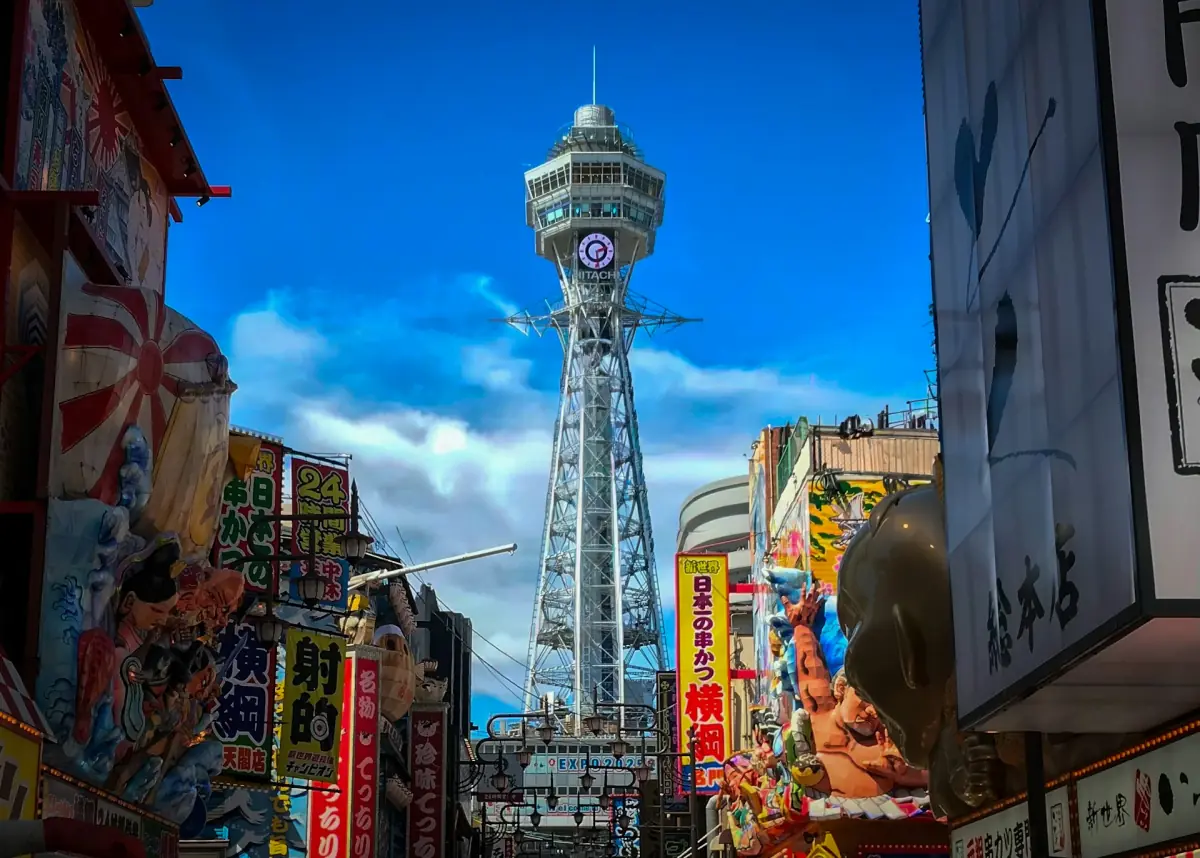
Tsutenkaku is viewed from outside; tower admission is separate.
Check availability →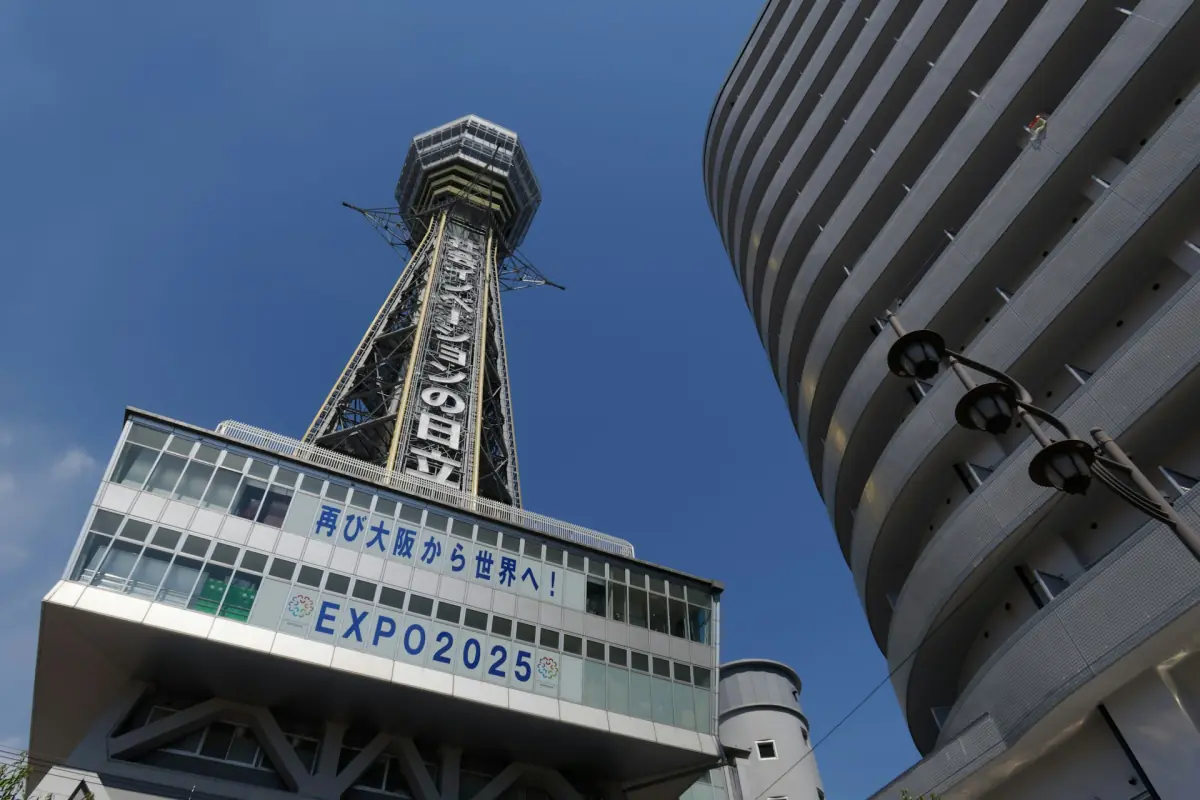
From Shinsekai to Abeno Harukas
- Photo with your own phone on request
The route ends at Abeno Harukas; observatory admission is not included.
Check availability →Cultural walks through Tennoji and Shinsekai
Follow a temple and park route into Shinsekai, or take the retro streets walk through Isshin-ji towards Abeno Harukas; paid attraction visits need their own planning.
From Luna Park to the present Tsutenkaku
The first Tsutenkaku opened with Luna Park in 1912. Its design combined the Arc de Triomphe in Paris with the upper part of the Eiffel Tower. That original tower was dismantled after a fire in 1943. The structure seen today is the second Tsutenkaku, completed in 1956 to a design by Naito Tachu. Local initiative and investment supported its return.
Billiken belongs to the tower story too. The American motif dates to 1908, while the tower changed to its third Billiken figure in 2012. Touching the soles of the figure’s feet is described as a good luck custom. Read it as a cultural practice when looking around the tower, rather than a promise attached to your visit.
Shitenno-ji and historic buildings
Shitenno-ji dates its foundation to 593. Its south to north arrangement includes the central gate, a five storey pagoda, the main hall and the lecture hall. The central complex was rebuilt by 1963 after wartime destruction. The founding date therefore tells you about the institution’s history; it does not date every building standing before you.
Free outer areas and worship outside the halls are distinct from the paid central precinct, Gokuraku-jodo Garden and treasure house. Hall, central precinct and garden hours are 08:30 to 16:30 from April to September and 08:30 to 16:00 from October to March, with separate festival arrangements. Allow the daylight part of your itinerary for the areas you want to enter.
Two routes with different emphasis
The 2.5 hour historical walk starts at the Shiidera Building on Shitennoji 1-8-10 and ends at Tsutenkaku. Its local guide links Shitenno-ji, Shitennoji Koshindo, Horikoshi Shrine, Isshin-ji and Chausuyama with Tennoji Park, Shinsekai and Janjan Yokocho. Tsutenkaku is viewed from outside. Food, drinks and transport to the meeting point are extra; budget separately for any paid temple areas you choose to visit.
The 2 hour retro streets walk starts at Ebisuhigashi 3-4-36 in Shinsekai, passes Tsutenkaku and Isshin-ji, and ends at Abeno Harukas. On request, the guide can take a photo using your own phone at Tsutenkaku. Food and drinks are extra. The route is useful for linking the neighbourhood with Tennoji, while Harukas observatory admission remains a separate purchase.
Tennoji Park and Keitakuen
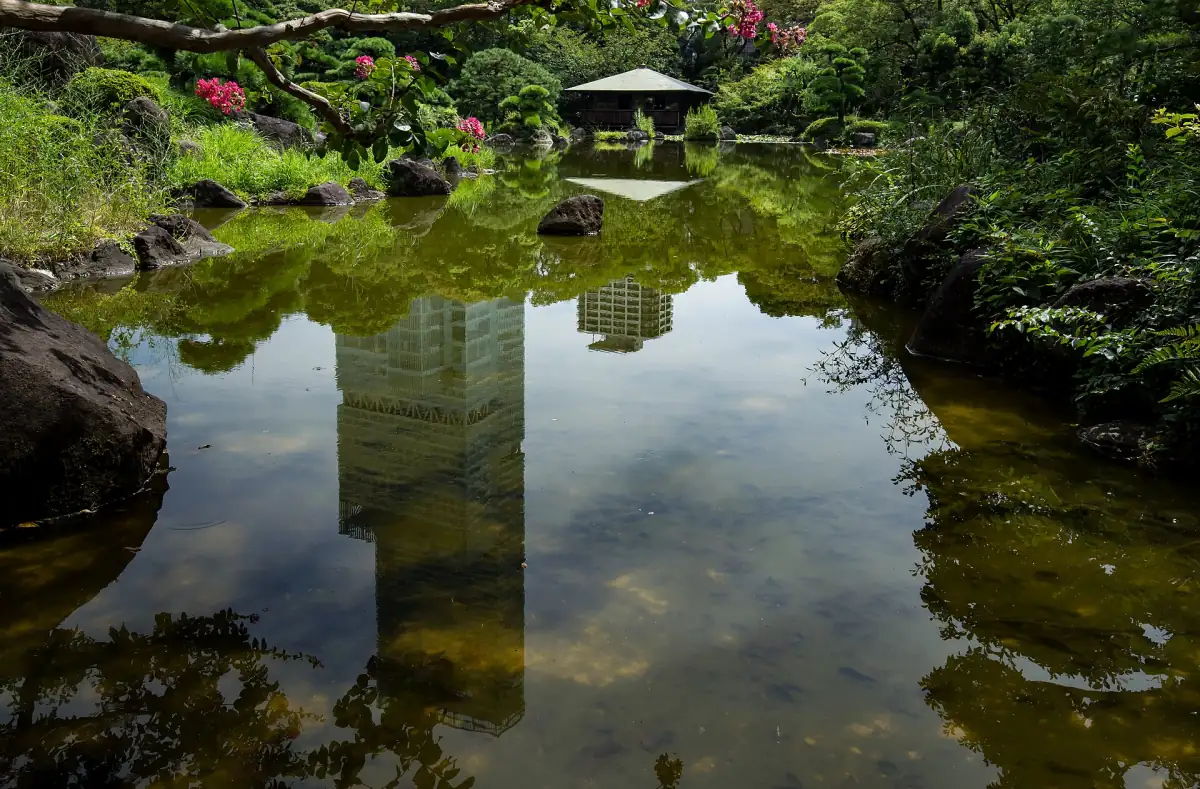
Treat the park, its garden, the museum and the zoo as individual stops. Keitakuen is a pond strolling garden with its own admission and visiting hours. It normally opens 09:30 to 17:00, with last admission at 16:30. Monday is the regular closing day, moving to the next working day after a national day off; the garden also closes from 29 December to 1 January.
Adult garden admission is 300 JPY. A reservation for the Chosei-an tea room concerns hiring that space, so it should not be used as the basis for planning an ordinary garden walk. Leave room in your itinerary to enjoy the garden rather than making it only a shortcut between a temple and the tower.
Art, exhibitions and a separate museum visit
The Osaka City Museum of Fine Arts is another independent stop. Normal visiting hours are 09:30 to 17:00, last admission 16:30, with Monday closures moving after national days off. Its Ming calligraphy exhibition runs from 9 October to 20 December 2026. Within that exhibition period it opens on 23 November and closes on 24 November 2026.
A museum exhibition belongs in its own time and admission budget, rather than being folded into a walking tour. For a different art stop, the Abeno Harukas Art Museum has the Andrew Wyeth exhibition from 3 October to 6 December 2026. Decide whether you want art, a garden or a deck visit after the walk, instead of treating a route ending at a building as admission to everything inside.

Questions about your visit
Is the present Tsutenkaku the tower built in 1912?
The first tower was dismantled after the 1943 fire. The present structure dates to 1956.
Can I worship at Shitenno-ji outside hall hours?
Worship outside the halls is possible around the clock. Entry to the halls, central precinct and garden follows their separate visiting hours.
Does the cultural walk include the Harukas deck?
The retro streets route ends at Abeno Harukas. Book observatory admission separately if you want to continue upstairs.